
Many businesses struggle with the same problem: they offer quality products or services, yet customers don’t remember them, trust them, or clearly understand what sets them apart. In most cases, the issue isn’t the business itself, it’s inconsistent or underdeveloped branding.
Understanding the elements of branding helps businesses present themselves clearly, professionally, and consistently across every touchpoint. Strong branding builds trust, improves recognition, and creates loyalty long before a customer ever makes a purchase.
Visual Identity and Messaging
Visual identity is often the first thing people associate with a brand. Logos, colors, typography, imagery, and layout styles all work together to create a recognizable look and feel.
But visual branding only works when it aligns with messaging. Clear, consistent messaging explains who you are, what you do, and why it matters, without confusing or overwhelming your audience.
When visuals and messaging are aligned:
- Brands feel more professional
- Customers recognize them faster
- Marketing efforts feel cohesive rather than scattered
This is why branding is closely tied to web design and content strategy, not treated as decoration after the fact.
Brand Voice and Consistency
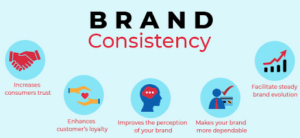
Brand voice defines how your business communicates. Is your tone authoritative, friendly, innovative, or direct? Whatever voice you choose, consistency is critical.
An inconsistent voice creates friction. A business that sounds formal on its website but casual on social media feels disjointed. Over time, that inconsistency weakens trust.
Strong branding ensures:
- Messaging feels familiar across platforms
- Customers know what to expect
- Communication feels intentional rather than reactive
This consistency becomes especially important as businesses scale and publish more content across multiple channels.
Branding Across Digital Platforms
Branding doesn’t live in one place. It shows up everywhere, websites, social media, ads, email campaigns, landing pages, and even analytics dashboards.
When branding is applied consistently across digital platforms:
- Social media feels connected to the website
- Ads feel like extensions of the brand, not interruptions
- Content builds recognition instead of starting from zero each time
This is why effective branding works hand-in-hand with digital marketing systems like SEO, paid media, and social strategy. Branding gives those efforts clarity and cohesion.
How Branding Affects Trust and Loyalty
Trust is built through repetition and reliability. When customers see the same visual cues, tone, and messaging over time, they feel more confident engaging with the brand.
Strong branding:
- Reduces hesitation during decision-making
- Improves perceived credibility
- Encourages repeat interactions and loyalty
Poor or inconsistent branding does the opposite. It creates doubt, confusion, and friction, especially in competitive markets where customers have many alternatives.
According to Forbes, consistent brand presentation across platforms can significantly increase brand recognition and trust, reinforcing the importance of cohesive branding strategies.

Branding as a Long-Term Business Asset
Branding isn’t just a design project. It’s a long-term asset that supports every part of a business, from marketing and sales to customer experience and growth.
Businesses that invest in the core elements of branding don’t need to constantly explain themselves. Their identity speaks clearly, consistently, and confidently across every channel.
Strengthen Your Brand From the Ground Up
If your business struggles to stand out, feels inconsistent online, or lacks recognition, it may be time to revisit your branding foundation.
Professional branding and design services help clarify identity, unify messaging, and ensure your brand supports growth rather than holding it back. With the right strategy, branding becomes a competitive advantage, not an afterthought.