
If you feel like your social media reach has quietly dropped, you’re not imagining it. Business owners everywhere are frustrated by posts that used to perform well suddenly getting fewer views, fewer clicks, and less engagement. The reality is simple: social media platforms updates today happen constantly, and even small changes can significantly impact visibility, ads, and results.
Understanding why these platforms change, what updates matter most, and how they affect your strategy is no longer optional. It’s essential for staying competitive.

Why Social Media Platforms Change So Often
Social platforms evolve because their priorities evolve. Every update is driven by one or more core goals: keeping users engaged longer, improving ad performance, reducing spam, or competing with other platforms.
When platforms roll out changes, they rarely announce the full impact upfront. A minor tweak to content ranking, ad delivery, or audience targeting can quietly shift performance across millions of business accounts. That’s why staying on top of social media platforms updates today isn’t about trends, it’s about protecting your reach and revenue.
The Most Common Types of Social Media Updates
Not all updates are obvious, and not all updates affect businesses equally. The most common changes usually fall into three categories:
Algorithm Updates
These determine what content gets shown and to whom. Platforms regularly adjust how they prioritize original content, video formats, engagement signals, and posting frequency. One algorithm change can reduce organic reach overnight if your strategy isn’t aligned.
Advertising & Targeting Changes
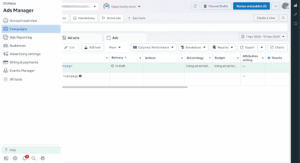
Paid social updates often affect audience targeting, attribution, bidding strategies, and creative formats. Even if your ads are running, updates can impact costs, delivery, and conversion tracking, especially if measurement systems aren’t updated properly.
Content Format Changes
Platforms constantly push new formats like short-form video, carousels, or interactive posts. Businesses that adapt early often gain temporary reach advantages, while others fall behind.
How Updates Impact Organic and Paid Performance
Organic reach typically feels the impact first. Businesses often notice engagement declining without changing their posting habits. That’s because algorithms shift what they consider “valuable” content.
Paid performance is affected differently. Updates can:
- Increase cost per click or lead
- Reduce audience size or delivery
- Change how conversions are tracked
- Require new creative formats to remain competitive
Without daily monitoring, businesses often continue running outdated strategies while performance slowly declines.
This is why many brands connect content efforts to broader systems like content marketing strategy, paid media optimization, and conversion tracking, rather than treating social as a standalone channel.
Why Businesses Need an Agency Monitoring Updates Daily
Most businesses don’t have the time or internal resources to track platform updates across multiple channels every day and that’s completely normal.
An experienced agency monitors:
- Platform announcements and silent rollouts
- Performance anomalies tied to algorithm shifts
- Ad account changes affecting delivery or tracking
- Emerging content formats gaining reach
Instead of reacting after performance drops, agencies proactively adjust strategy. That includes refining posting cadence, updating ad structures, testing new formats, and aligning social activity with analytics, attribution, and automation systems. (Internal link opportunity: SLVEX Social Media + Marketing Automation pages)
According to Meta’s official Business Help Center, ongoing algorithm and ad system changes are designed to improve user experience, but they require businesses to adapt continuously to stay visible. Meta Business Help Center
Turning Frustration Into Strategy
Feeling frustrated by declining reach is understandable. Social media feels unpredictable because it is, unless you’re actively tracking changes and adjusting strategy in real time.
The businesses that succeed don’t chase every update blindly. They build systems that adapt quickly, using data, testing, and professional oversight to stay ahead instead of constantly catching up.
Get Help Staying Ahead of Social Media Changes
If your social media results feel inconsistent, it may not be your content, it may be the platform changes working against you.
Working with a team that monitors social media platforms updates today ensures your strategy stays aligned with how platforms actually work right now, not how they worked six months ago. From organic content to paid campaigns and tracking, professional oversight helps turn constant change into a competitive advantage.